
This post contains affiliate links. If you make a purchase from these links,
we may earn a small commission at no extra cost to you.
A well-placed piano underscore can subtly transform the flow of a worship service. It helps connect songs, support spoken words, and create space for reflection without drawing attention to itself. Rather than filling silence for its own sake, it provides continuity and musical support for what is already happening.
In churches that rely on volunteer musicians, especially small to mid-sized congregations, this is one of the simplest ways to elevate the overall experience of worship. It requires no new equipment and very little rehearsal time. It simply requires intention.
What Is a Piano Underscore?
A piano underscore is gentle, unobtrusive playing beneath a spoken or transitional moment in the service. It supports rather than leads. It does not introduce a new focal point. Instead, it sustains the atmosphere established by the previous song or prepares the congregation for what comes next. Used wisely, it becomes the connective tissue of the service. Guitar is also suitable for underscores, but piano is the most flexible instrument for this purpose.
An effective underscore can:
• Smooth the transition between songs
• Maintain thematic and tonal continuity
• Support extended prayer times
• Reduce distractions during movement on the platform
• Deepen the sense of reverence during communion or altar calls
In blended worship settings, underscores are especially helpful. When moving from a traditional hymn to a contemporary song, gentle harmonic continuity makes the transition feel intentional rather than stylistically jarring.
Where to Use Piano Underscores
Between Songs
Instead of ending a song and stopping completely, allow the final chord to sustain. From there, the pianist can move into a simple progression in the same key. This keeps the tonal center steady and gives the worship leader space to speak, pray, or introduce the next song naturally.
If you plan to modulate keys, use the underscore as the bridge. A short progression that pivots smoothly into the new key prevents the shift from feeling abrupt. Worship Piano by Bob Kauflin is an excellent resource for learning how to transition between songs.
Under Pastoral Prayer
For longer prayers, a soft piano bed can help maintain focus. Keep the texture simple. Whole-note chords in the left hand with light, slow arpeggios in the right are often sufficient. Avoid recognizable melodies, as they can unintentionally invite the congregation to focus on the lyrics in their head instead of the spoken words.
The volume should always remain beneath the speaking voice. If people become aware of the piano, it is likely too prominent.
During Communion
Communion invites reflection. A gentle underscore sustains a reverent atmosphere while people move forward or sit in quiet prayer. Consider cycling through chord progressions from songs already sung that morning. Recognizable melodies are fine here, since spoken words are not competing with the lyrics of whatever you’re playing.
Under Scripture Reading
When Scripture is read publicly, a sparse, sustained accompaniment can underscore the weight of the text. Use open voicings, minimal rhythmic movement, and generous use of the sustain pedal. The goal is to support the reading, not dramatize it.
Basic Patterns That Work
Simplicity is key. A few reliable patterns in your toolbox are more effective than elaborate improvisation.
Sustained Chords
Hold full chords for several measures, changing slowly. This creates a stable foundation. If you’re using a digital keyboard, a pad or string sound works well for this approach.
Broken Chords
Use gentle, even arpeggios at a slow tempo. Keep the harmonic pattern consistent.
Octave Roots with Light Voicing
Play low octave roots in the left hand and soft triads or open intervals in the right hand. This adds depth without complexity.
Tone and Dynamic Control
The “success” of an underscore depends more on touch and restraint than on harmonic creativity. Slow tempos, soft dynamics, and simple progressions are usually most effective. This is not the time to impress people with virtuosic flourishes or dense jazz harmonies.
Avoid these common mistakes:
• Busy rhythmic patterns
• Familiar melodies that compete with spoken words
• Abrupt or awkward endings
Planning Ahead
Underscores work best when they are intentionally incorporated into the worship order. As you prepare your service, note where transitions, prayers, and readings occur. Decide whether you will remain in the same key or modulate to a new one. Think about how the underscore will resolve. A final tonic chord allowed to ring naturally often provides a graceful conclusion.
You Don’t Have to Improvise
Improvising at the piano is a skill that takes some time to develop, but don’t let that discourage you from using piano underscores. Consider these ready-made resources:
Gentle Worship Reflections: Chime-Style Piano Solos for Quiet Moments
Piano Interludes for Worship by David Ritter
Peaceful Piano by Mark Hayes
Piano Calm Prayer by Phillip Keveren
Piano Calm Christmas by Phillip Keveren
As an Amazon Associate, we earn a small commission from qualifying purchases,
at no extra cost to you.
A Simple Addition That Makes a Difference
People notice when something feels disjointed, even if they can’t put their finger on why. With thoughtful preparation and tasteful execution, piano underscores can enhance continuity, deepen moments of prayer, and create a more cohesive worship environment week after week.
Learn to Play from Chord Charts
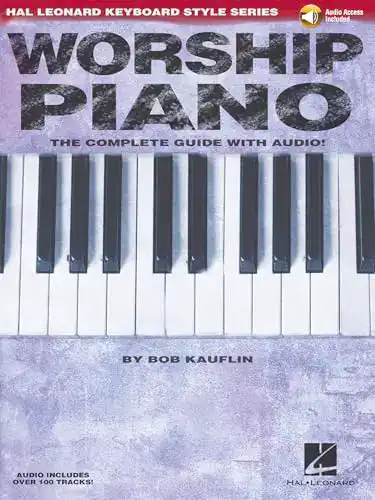
This helpful resource from Bob Kauflin is designed for classically trained pianists. It shows you how to play in a modern worship style using chord charts instead of written arrangements, giving you greater flexibility at the keyboard.